
What sets the cap price
A fitted chimney cap from Blount Chimney Group is quoted after we measure the flue. Caps differ because chimneys differ. The simplest job is a single round or square flue on a modest Placentia ranch house, where a ready made stainless cap slips over the tile and fastens in minutes. The biggest is a wide brick chimney carrying two or three flues, where one cap has to cover the whole crown and is built to measure.
This post explains what moves a cap price up or down, why owners of part time houses and rentals feel the cost of a missing cap more than anyone, and what the quote covers.
Why caps matter more on a house that sits empty
A cap does a few quiet jobs. It sheds rain away from the opening, it keeps birds and squirrels from moving in, and its screen catches embers before they reach the roof or the dry brush around it. In a house where someone lights a fire every week, a missing cap still causes trouble, but people notice it: soot falls, a bird calls from inside the wall, the damper rusts and squeals.
In a house that sits closed, nobody notices anything. Here is what one empty winter without a cap tends to cost:
- A nest that has to be pulled out before the fireplace can be used, often with a sweep after it.
- A damper plate rusted to its frame by rain running straight down the flue.
- Wet mortar and stained firebrick at the back of the firebox.
- In spring, droppings and nesting material that smell as soon as the house warms up.
Each of those is a bill larger than a basic cap. That is why we fit a cap before almost any other repair on a second home.
What moves the price
These are the things we look at when we price a cap, roughly in order of how much they matter.
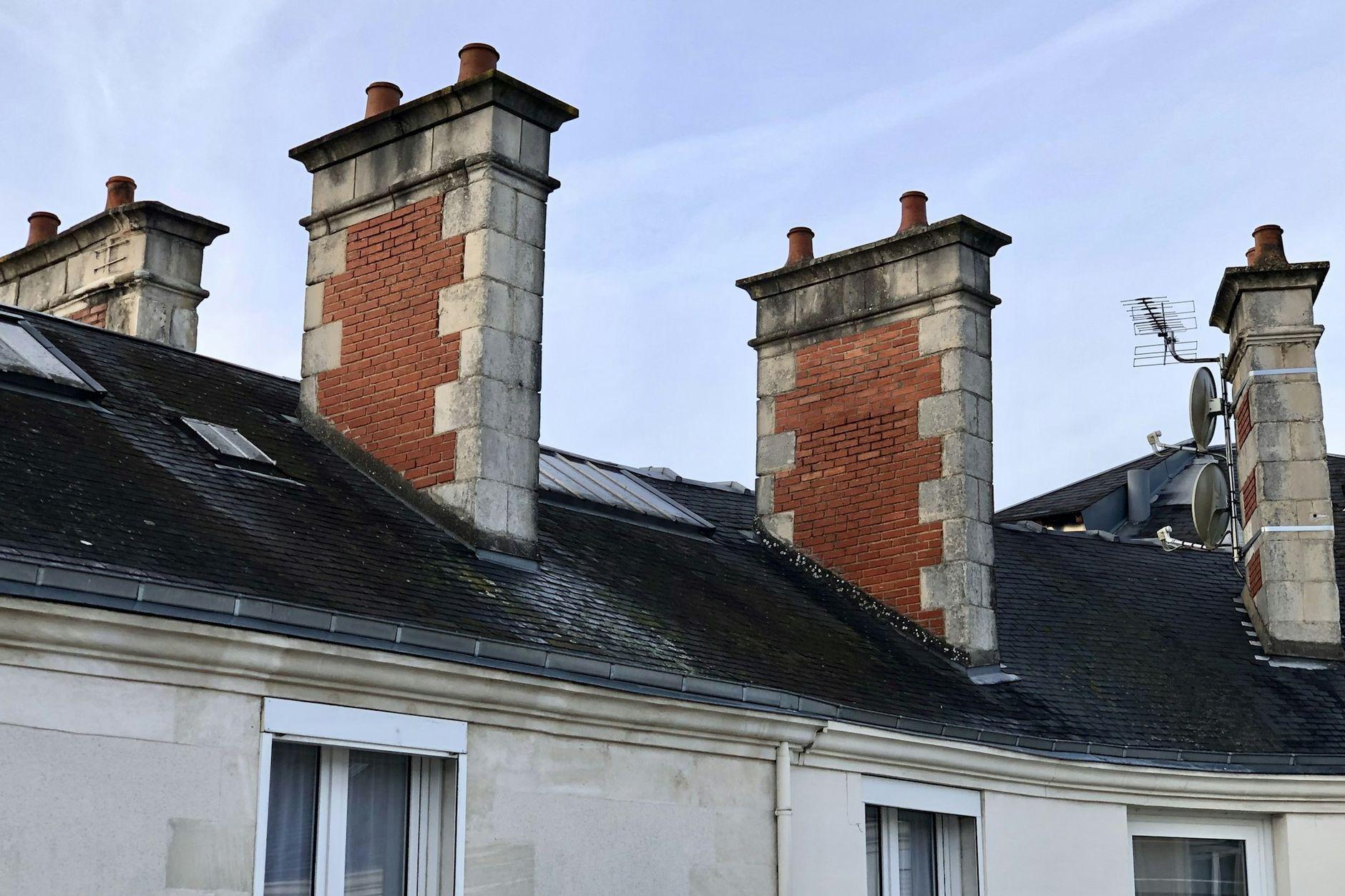
How many flues, and how they are laid out. One flue tile sticking up through the crown takes a single flue cap. Two or three tiles side by side, or a furnace flue next to a fireplace flue, often call for one cap that covers the whole top. That is a larger piece of metal and a larger price.
The size of the opening. Clay tiles come in many sizes, and older houses sometimes have odd ones. A standard size fits a stock cap. An odd size, or a tile that is chipped or set off center, needs something made to fit.
The metal. Stainless steel covers most jobs. Copper costs more and is chosen for looks on some older houses. Black painted steel costs less up front and rusts sooner, which on a house nobody watches is a poor trade.
Factory built chimneys. Metal chimneys with a wood or stucco box around them take a cap made for that system. The cap is part of how the chimney was tested, so it has to match the brand.
The roof. A steep tile roof or a two story chimney takes more time and more care than a single story with a low pitch.
What is in the price
The fitted price covers the cap, the trip, getting onto the roof, measuring, fastening the cap to the tile or the crown, and a look at the crown while we are up there. It does not include clearing a nest or sweeping the flue if either is needed first. Those are separate, and we tell you before we start. A sweep begins at $440.
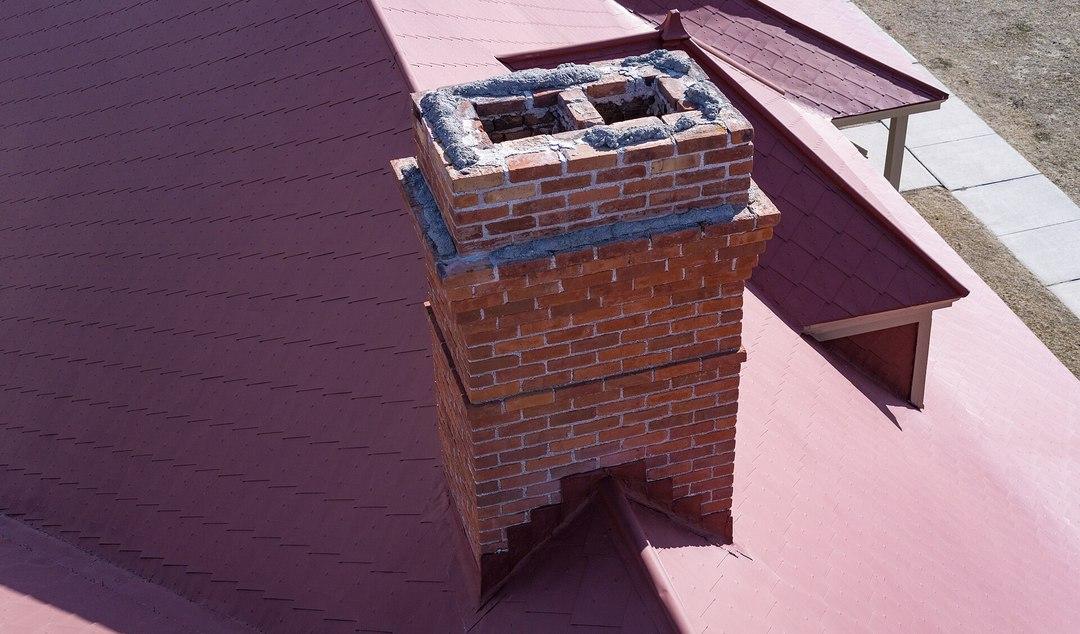
If the crown under the cap is badly cracked, we will say so. A cap sits on the crown, and setting a new cap on a broken one is money spent twice. Crown work is measured and priced on paper; the crown repair page describes what it involves.
What decides your price
Three facts set most cap prices: how many flues are at the top of the chimney, whether they are a standard size, and what the chimney is built of. If you know the answers, or can see the top of the chimney from the street, request a cap price with the form at the top of this page. Tell us whether the chimney is brick or a boxed metal one, how many pipes or tiles you can see at the top, and whether a cap is there now.
We will confirm the figure after measuring. If the chimney needs anything else before the cap goes on, such as a sweep or a crown repair, the quote lists it as its own line.
Caps and the rest of the visit
On a house that has been closed, we often fit the cap as part of a larger visit: an inspection, a sweep if the flue needs it, then the cap last so the flue stays clear. The chimney cap installation page covers the job itself, and the chimney inspection page covers the visit that usually comes first. If water is already showing inside, the cap may not be the whole answer; our post on leak repair prices covers that.
Wind, embers and dry hills
Orange County gets Santa Ana winds most autumns, and the hills north and east of Placentia carry dry brush. A cap screen is a simple barrier between a stray ember and a roof. It does not replace care with the fire itself, but it shuts a door that embers would otherwise use, and it is the reason we will not fit a cap without a screen.
Getting it done
A cap is a short job, usually one visit. If you own a house in Placentia, Orange, Anaheim or Tustin and are not sure what is on top of your chimney, start from our contact page and we will come and look.
Opening the House for the Season?
Blount Chimney Group works down a checklist from cap to firebox and emails it to the owner, a photo on each line. Owners book us from Placentia, Orange, Anaheim, Tustin and the rest of Orange County.