The house is in Placentia and you are not
Plenty of the fireplaces we look after belong to people who do not live next to them. A house kept for holidays and family visits. A parent's place, closed up after a move to assisted living. A rental that someone in another state owns and a manager runs. In each case the owner cannot stand in the yard and squint up at the chimney, and nobody lights a fire often enough to notice when the draft goes wrong.
Blount Chimney Group works out of Placentia, and a good share of our calendar is houses like these. This post is about hiring for that situation: what tends to go wrong in a chimney nobody watches, how we get in without you, what the visit costs, and what you should expect to receive.
What a chimney does while nobody is home
A chimney in daily use tells on itself. Smoke rolls into the room, a damp smell follows rain, a gas flame burns lazy and orange. Empty houses lose all of those warnings. Here is what we find most often on homes that sat closed for a season or longer:
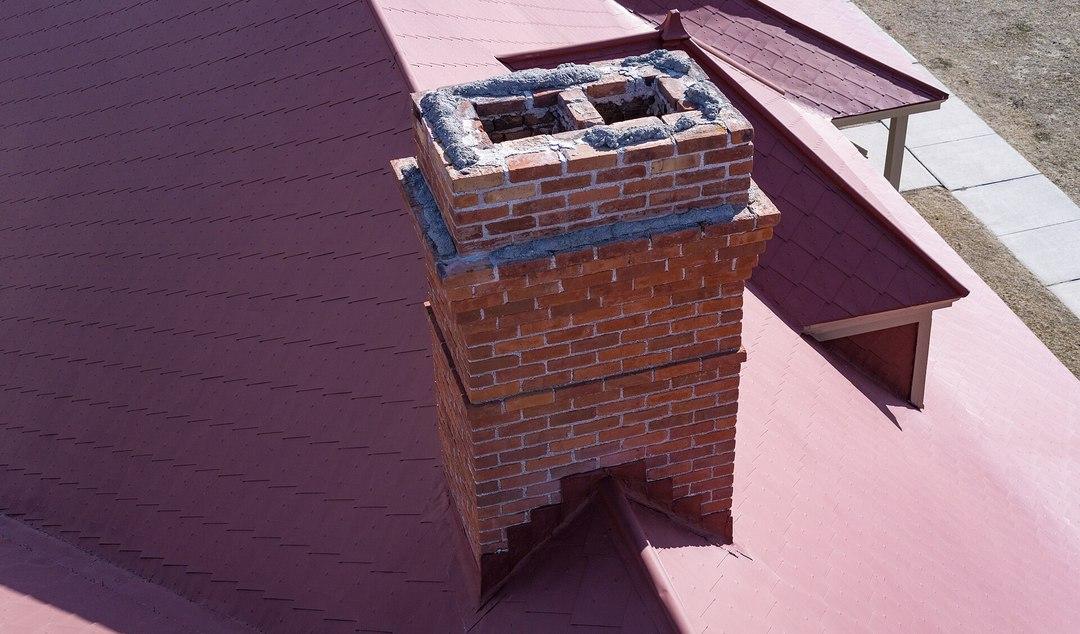
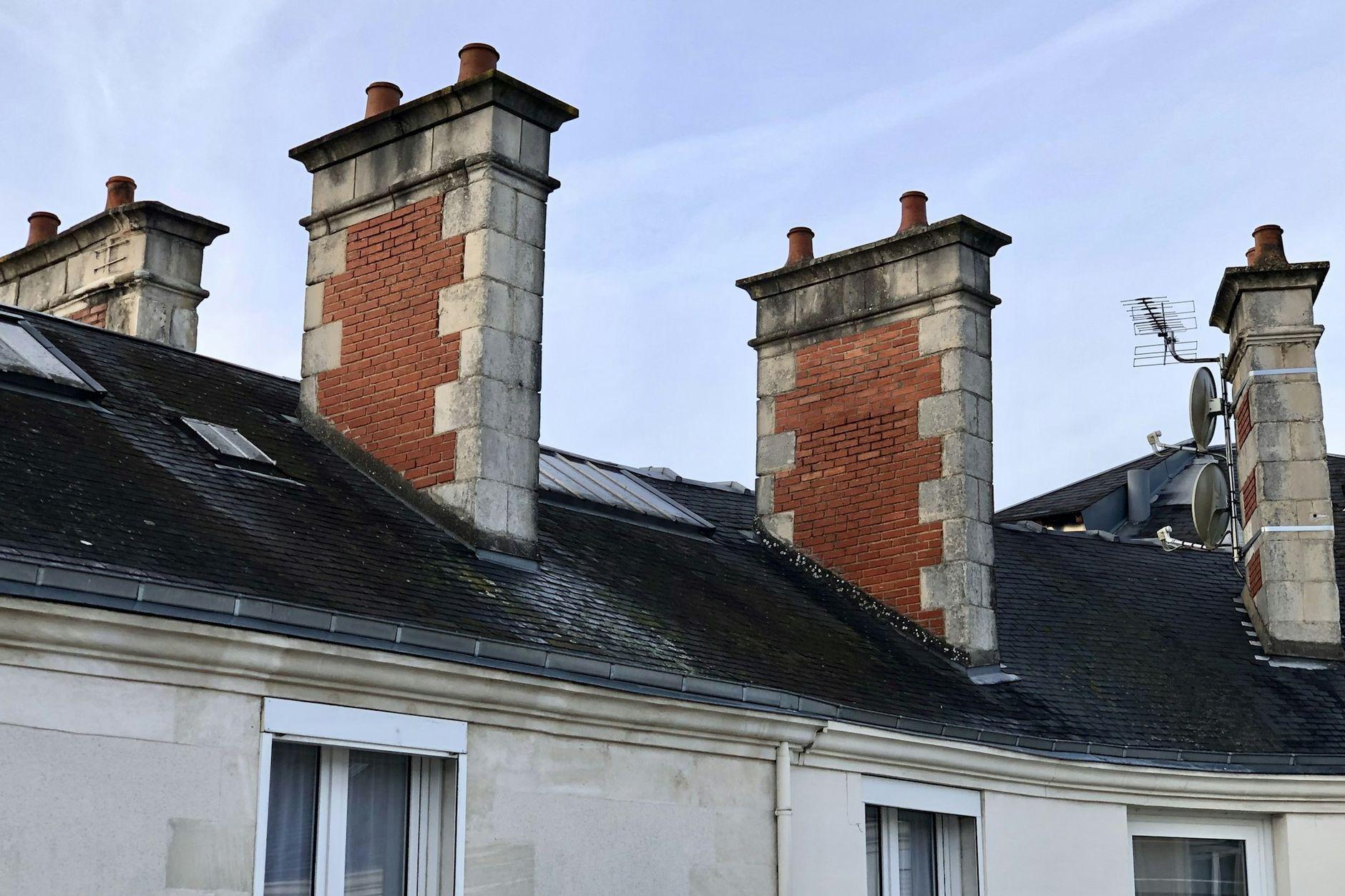
- No cap, or a bent one. Santa Ana winds lift loose caps off and drop them in the gutter. An open flue then takes in leaves, rain and birds.
- Nests. Birds look for a dry, quiet tube in spring. A flue in an empty house is exactly that, and a nest can block the whole smoke chamber.
- Rust. Rain that falls straight down an open flue lands on the damper plate and the firebox floor. Months of that and the damper seizes.
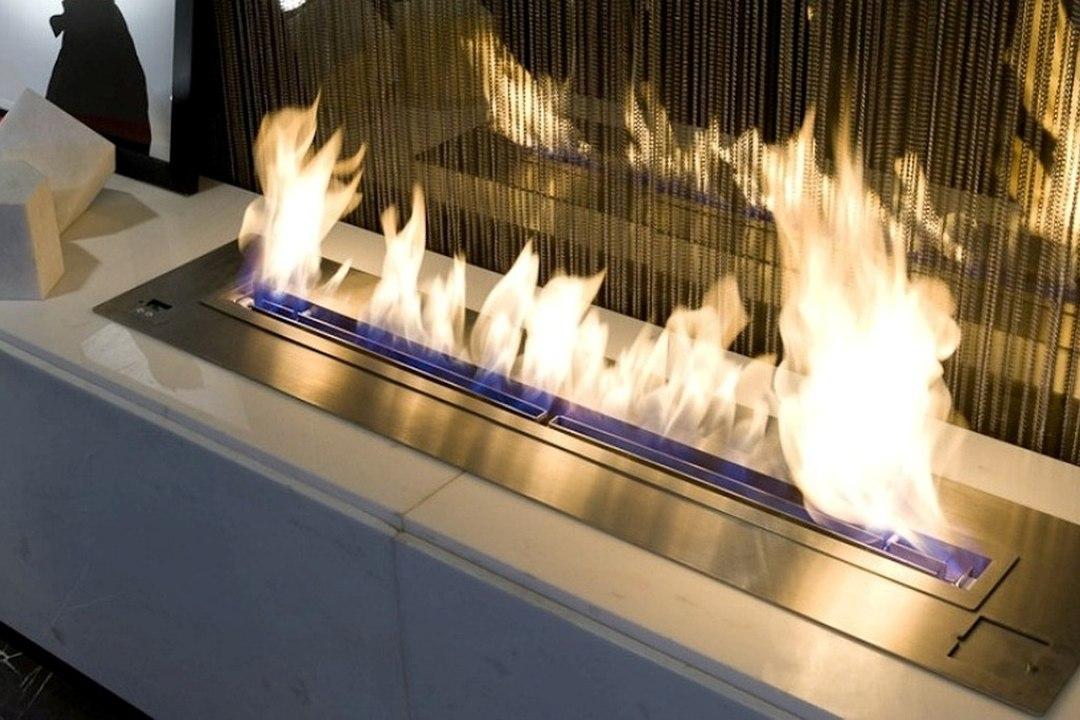
- Gas units gone quiet. A pilot left off since spring can come back to spider webs in the burner ports, a weak thermocouple or dust on the logs.
- Water stains nobody saw form. A slow leak at the roof line can mark a ceiling for a whole winter before anyone walks into that room.
None of these is rare and none is costly to settle when caught early. The trouble is that in a vacant house they are caught late.
How we get in when you cannot be there
Most absent owners give us one of three things: a lockbox code, a neighbor or relative with a key, or a property manager who meets us. Any of them works. We need the door, a clear path to the fireplace, the attic hatch, and permission to put a ladder on the roof. If the gas to a fireplace was shut off at its valve when the house was closed, leave it off and tell us; we will open it ourselves and close it again before leaving if that is what you want.
Nobody needs to wait on site through the visit. We lock up the way we found the house and send word when we leave.
What the visit covers, and what it costs
There are two inspection levels that matter for a closed house.
The visual check, at $175 a fireplace, looks at everything we can reach and see: the firebox, the damper, the top of the chimney from the roof, the flashing and cap, and the chimney where it crosses the attic. It suits a house that was used last winter with no trouble and only needs a once over before you come back.
The camera inspection, at $410, adds a video run through the length of the flue. For a house that has sat for more than a year, a house you just inherited, or a fireplace that was never inspected while you owned it, that is the one we suggest. Our Level 1 or Level 2 for a Vacant Home post goes deeper on the choice, and the chimney inspection page lists what is checked.
What you receive
You get a written report with photos of every item we flag. Each finding says where it is, what it means for lighting a fire, and what fixes it. Where we publish a price for the fix, such as a leak repair at $590 to $3,550, the range is written next to it. A cap is quoted after we measure. If you want a relative, a tenant or a manager to have a copy, name them when you book and they receive the same file.
The report ends with a plain line about use: light it, light it after a small repair, or keep it cold until something larger is done.
Choosing a company you will never meet
Hiring at a distance means you are trusting what you are told. A few things make that easier, whoever you hire:
- Photos of every finding, so you can see the cracked tile or the missing cap yourself.
- Published prices for the common fixes, so a quote can be compared with something.
- No work done without your written approval, even small items.
- A report that says plainly whether the fireplace is safe to use.
We work that way on every job. It is also why we do not fix anything during an inspection unless you have said yes first.
What decides the next step
After the visit, three things decide what happens next: whether the flue is clear and sound, whether water is getting in, and whether a gas unit lights and holds. If all three are fine, the next step is nothing at all until next season. If a cap is missing, the next step is a cap. If the camera finds cracked tiles, the next step is a written price for relining before anyone lights a fire.
If you already know the house has been closed for a while, ask for an inspection with the form at the top of this page and tell us how long it has been empty, whether the fireplace burns wood or gas, and who will let us in.
Before your next trip
Owners who time the visit a few weeks ahead of their own arrival tend to have the easiest season. Anything we find can be sorted while the house is still empty, and you walk in to a fireplace that has already been looked at. To set that up for a Placentia house, or one in Orange, Anaheim or Tustin, reach us through the contact page with the address and roughly when you plan to be there.
Opening the House for the Season?
Blount Chimney Group works down a checklist from cap to firebox and emails it to the owner, a photo on each line. Owners book us from Placentia, Orange, Anaheim, Tustin and the rest of Orange County.